 agency
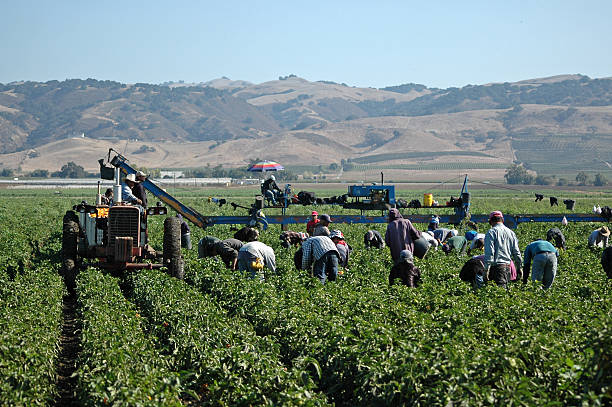
For many Africans searching for opportunities abroad, the United States remains one of the most attractive destinations. While some people focus on high-skilled careers, there is another pathway that is both practical and realistic farm work in the United States.
Agriculture is one of the backbone industries of the U.S. economy. Every year, farms across the country require thousands of workers to plant, harvest, process, and maintain crops. However, due to labor shortages, American farmers often rely on foreign workers through visa sponsorship programs.
As a result, farm work has become one of the most accessible ways for Africans to legally work in the United States—especially if you are willing to do physical labor and adapt to a new environment.
But here is the truth: success in this pathway requires understanding the system. You must know:
- The types of farm jobs available
- Salary expectations
- How visa sponsorship works
- The step-by-step visa application process
Read: Secure Unskilled Jobs in Norway 2026: Step-by-Step Guide
Therefore, in this comprehensive guide, you will learn everything you need to successfully secure a farm worker job in the United States.
1. Why the U.S. Needs Farm Workers
To begin with, the United States faces a shortage of agricultural workers.
This shortage exists because:
- Many Americans avoid physically demanding farm work
- Agriculture is seasonal and labor-intensive
- The demand for food production is high
As a result:
- Farmers rely on foreign labor
- The government created visa programs to allow this
Therefore, farm work is one of the most realistic entry points for foreign workers.
2. What Does a Farm Worker Do?
Before applying, you need to understand the job.
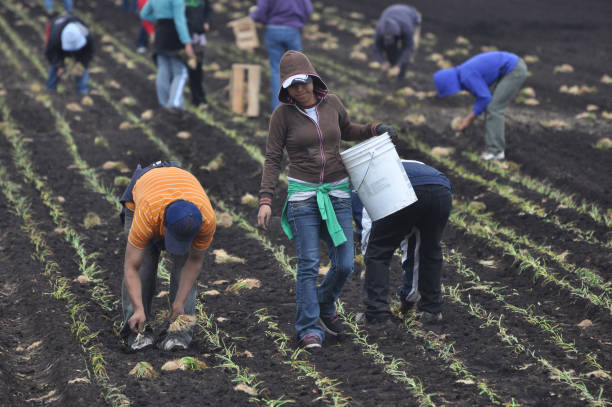
Farm workers are responsible for:
- Planting crops
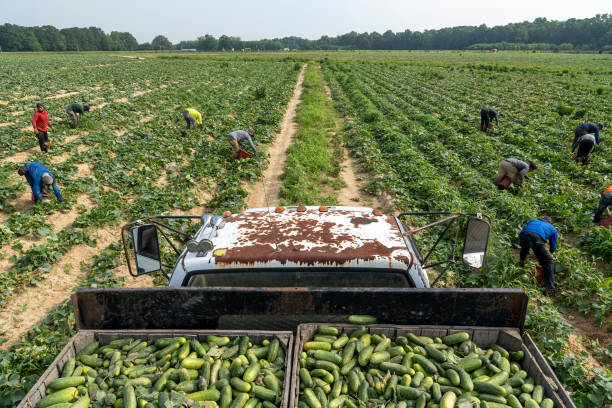
- Harvesting fruits and vegetables
- Irrigating fields
- Operating basic equipment
- Packing produce
Additionally:
- Some roles involve working with animals
This job requires:
- Physical strength
- Endurance
- Willingness to work outdoors
3. Types of Farm Worker Jobs
Now, let’s explore the different roles available.
3.1 Crop Farm Workers
Responsibilities:
- Planting and harvesting crops
- Sorting produce
Common crops:
- Fruits
- Vegetables
- Grains
3.2 Livestock Farm Workers
Responsibilities:
- Feeding animals
- Cleaning barns
- Monitoring livestock
3.3 Greenhouse Workers
Responsibilities:
- Plant care
- Watering and fertilizing
3.4 Equipment Assistants
Responsibilities:
- Assisting machine operators
3.5 Packaging and Processing Workers
Responsibilities:
- Sorting and packaging produce
4. Salary Overview
Now, let’s talk about earnings.
Hourly Pay:
- $12 – $18 per hour
Monthly Salary:
- $2,000 – $3,000
Yearly Salary:
- $25,000 – $40,000
Additional Benefits:
- Free or subsidized accommodation
- Transportation
- Meals (sometimes)
5. Visa Sponsorship Explained
Now, let’s focus on the most important part.
5.1 H-2A Visa (Agricultural Workers)
This is the main visa for farm workers.
Key features:
- Employer-sponsored
- Temporary (seasonal work)
- Legal work authorization
5.2 How Sponsorship Works
- A U.S. farmer needs workers
- They apply to hire foreign workers
- They sponsor your visa
Without sponsorship:
- You cannot legally work
6. Requirements for Africans
To qualify, you need:
- Valid passport
- Job offer from U.S. employer
- Physical fitness
- Willingness to work
Additionally:
- No advanced education required
Read: New Zealand Construction Work 2026: Jobs & Visa Sponsorship
7. Step-by-Step Visa Application Process
Now, let’s simplify the process.
Step 1: Find a Job Offer
Apply through:
- Recruitment agencies
- Farm job listings
Step 2: Employer Files Petition
The employer applies for approval.
Step 3: Labor Certification
Employer proves:
- No U.S. workers are available
Step 4: Visa Application
Apply at U.S. embassy.
Step 5: Attend Interview
Step 6: Receive Visa
Step 7: Travel to the U.S.
8. Benefits of Farm Work in the U.S.
8.1 Easy Entry
No degree required.
8.2 Legal Work Opportunity
H-2A visa ensures legality.
8.3 Accommodation Support
Many employers provide housing.
8.4 Income Opportunity
Better pay than many African jobs.
8.5 Work Experience
International exposure.
9. Challenges You Should Know
9.1 Physical Work
Farm work is demanding.
9.2 Seasonal Nature
Jobs may not be permanent.
9.3 Weather Conditions
Work continues in different weather.
9.4 Limited Career Growth
Entry-level roles.
10. Practical Tips for Africans
To increase your chances:
1. Use Legitimate Agencies
Avoid scams.
2. Be Physically Prepared
Work requires strength.
3. Apply Early
Seasonal jobs fill quickly.
4. Stay Consistent
Keep applying.
5. Follow Legal Process
Avoid illegal migration.
11. Is It Worth It?
Yes—if you are realistic.
Farm work offers:
- Legal entry
- Income
- Experience
However:
- It requires hard work
12. Final Thoughts
In conclusion, farm worker jobs in the United States provide a real and accessible pathway for Africans seeking opportunities abroad.
While the work is physically demanding, it can serve as a stepping stone to better opportunities.
Conclusion
The United States is not just for professionals—it is also for:
- Hardworking individuals
- Determined job seekers
- People ready to start small
So, if you are willing to work, adapt, and stay consistent, farm work can open doors.
Your journey begins with one step—and that step starts today.


 agency